

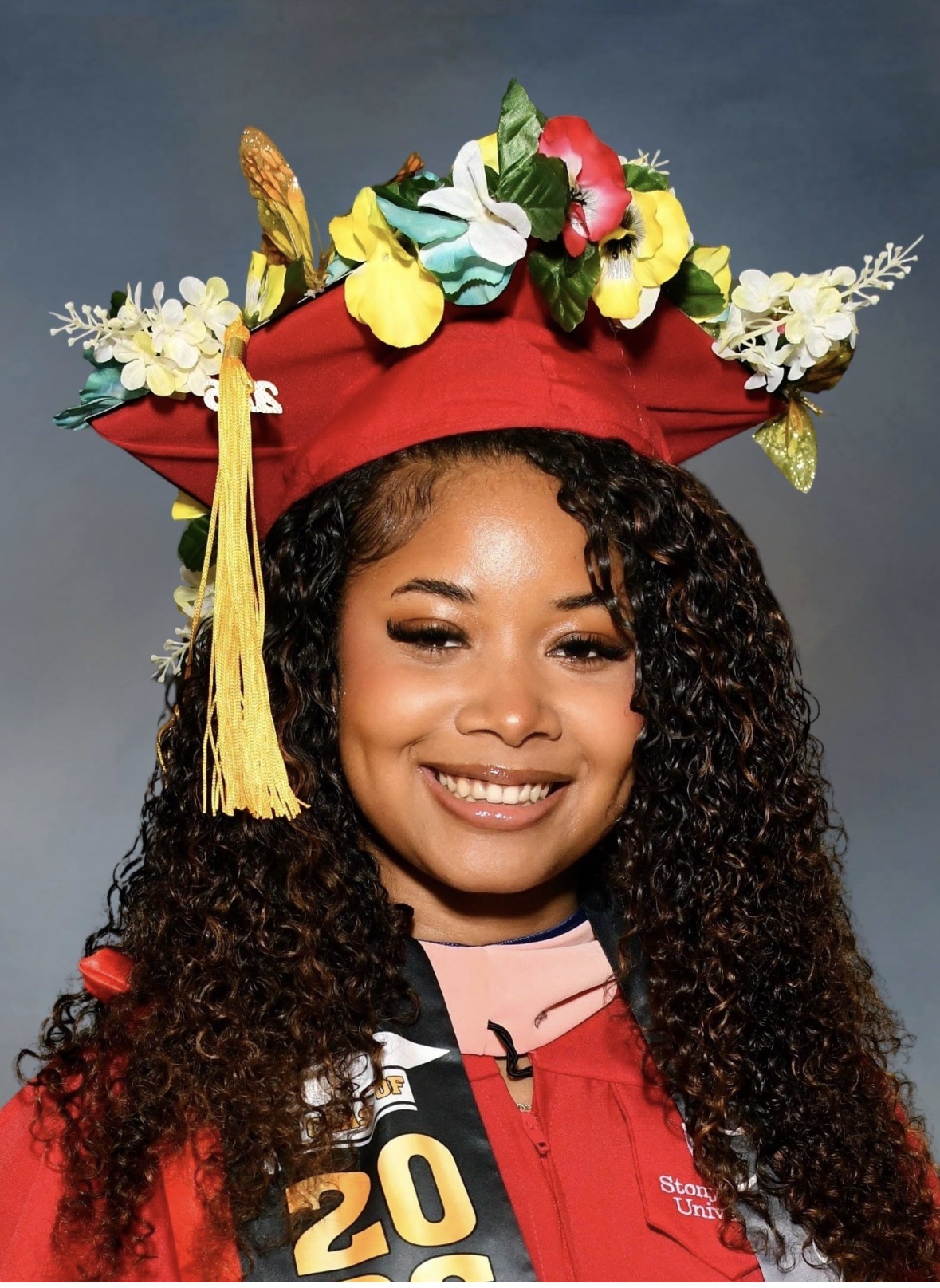
In recognition of National Health Education Week, Stony Brook University’s Program in Public Health is highlighting alums who are making a difference in their communities' health and well-being.
For Jonell Ashby, MPH ’26, public health is about more than addressing individual health challenges. It’s about advocating for health equity, empowering individuals through education, and creating opportunities for healthier futures.
As a Facilitator at Girls Inc. of Long Island, Ashby puts her public health education into practice by helping young girls develop the knowledge, confidence, and skills to advocate for themselves and make informed decisions about their health and well-being.
We caught up with Ashby to learn more about what inspired her to pursue public health, how her Stony Brook education shaped her career, and why she believes health education is essential to building healthier communities.
What inspired you to pursue a career in public health, and what do you find most rewarding about the field?
I chose public health after realizing that the traditional medical route was not for me. Rather than joining the existing healthcare system, I wanted to dedicate my career to improving it and advocating for a future where everyone has access to quality, affordable care, regardless of their social determinants of health, race, gender, or religion. What I find most rewarding about public health is the opportunity to make a meaningful impact on issues that affect people’s quality of life every day. Whether through small, individual interactions or broader, systemic change, our work focuses on improving outcomes for the broader population, maximizing benefits, and minimizing risks so everyone has the opportunity to live a healthier life.
How did your education at Stony Brook University prepare you for your career and shape your approach to public health?
My education at Stony Brook University equipped me with the knowledge, critical-thinking skills, and language to better understand and address the diverse healthcare experiences people face. I learned from passionate professors who were not only knowledgeable in their fields but also advocates for change through their work. Their influence, along with my academic experience, encouraged me to look beyond individual health outcomes and examine the systemic factors that shape them. Stony Brook taught me to think critically, recognize inequities, raise awareness, and develop sustainable, equitable solutions that improve population health and promote long-term well-being.
Why is health education so important to improving community health, and how does your work contribute to that mission?
I believe health education is the foundation of a healthier society because knowledge empowers people to make informed decisions about their lives. When individuals have access to accurate, accessible, and culturally relevant health information, they are better equipped to advocate for themselves, understand their options, and make decisions that support their well-being. Health education also helps address disparities by ensuring knowledge and resources aren't limited to certain communities or populations. Through my work, I help create opportunities for young people to learn, ask questions, build confidence, and develop the knowledge and skills they need to make informed decisions about their health and futures.
How does your work with Girls Inc. of Long Island allow you to apply your public health education and empower young girls in your community?
My work with Girls Inc. of Long Island allows me to put my public health education into practice by creating a space where young girls can learn, grow, and recognize their potential. Through health education, interactive activities, and meaningful conversations, I help equip participants with the knowledge and confidence to make informed decisions about their health, relationships, and overall well-being. I believe empowerment begins with giving young people the tools to understand themselves, advocate for their needs, and recognize that their voices matter. By fostering an environment that encourages them to be strong, smart, and bold, I hope to help them build a foundation for healthier choices, greater self-confidence, and a future filled with opportunities.
Making an Impact Through Public Health
Ashby’s work reflects the important role public health professionals play in educating and empowering the next generation. By combining health education with mentorship and community engagement, she is helping young people build a foundation for healthier futures.
During National Health Education Week, Stony Brook University’s Program in Public Health celebrates graduates like Ashby who are applying their education to advance health equity and make a meaningful difference in their communities.
Learn more about Stony Brook University’s Master of Public Health program.
