

In honor of National Public Health Week, we’re highlighting the scholars shaping the future of community well-being. Today, we’re featuring Doris Song, a PhD student whose journey began with COVID-19 research and has since evolved into a mission to improve the lives of an aging population.
Under the mentorship of Dr. Clouston, Doris is bridging the gap between rigorous data and the human experience. We sat down with her to discuss her personal inspirations, her research on neurological health, and why she believes public health is about people, not just numbers.
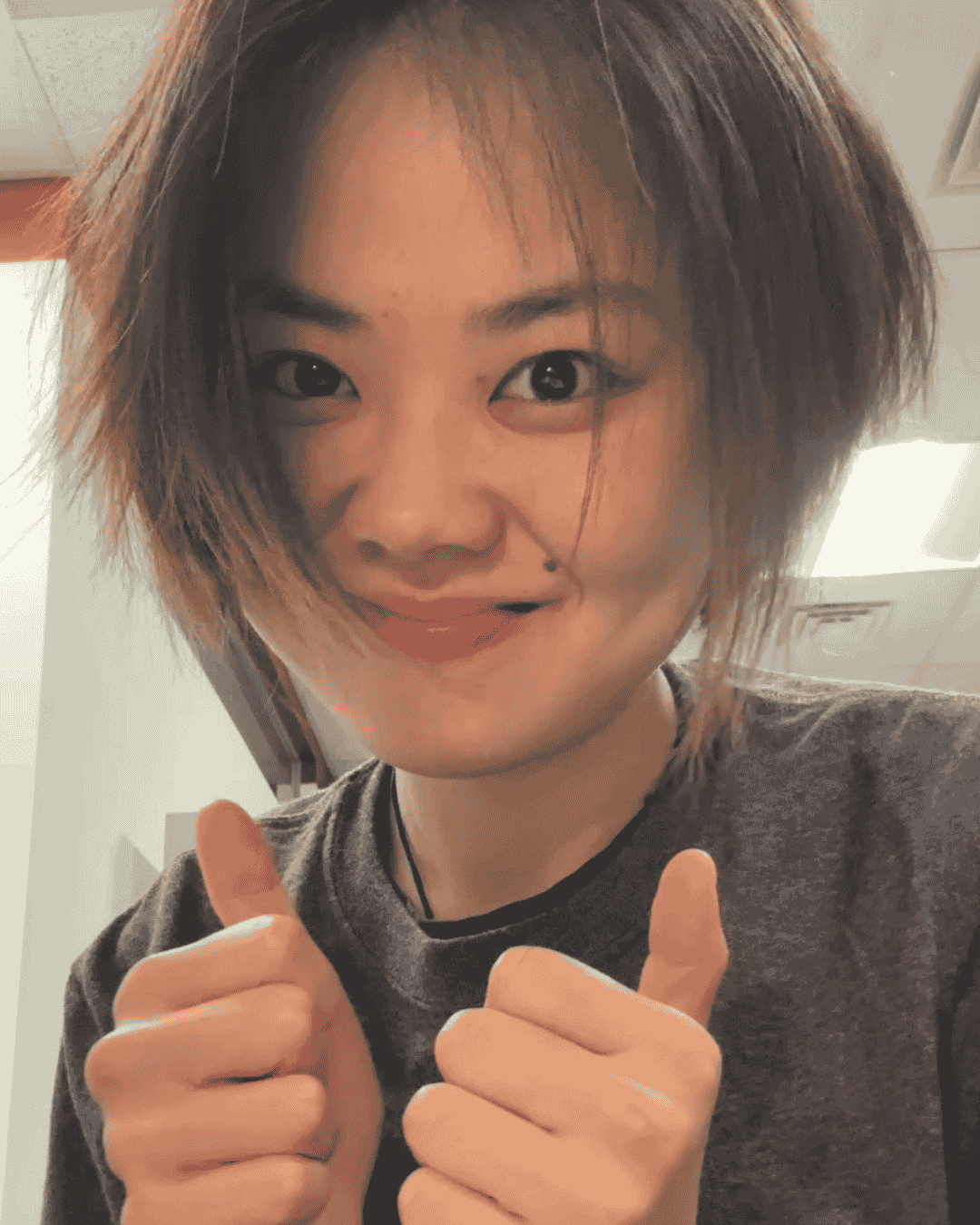
Name: Doris Song
Anticipated Graduation Date: Spring 2027
Program: PhD
Q: Why did you decide to pursue a major in public health?
Doris: During my final year of undergraduate study, the COVID19 was at one of its most severe stages globally. I saw people around me become seriously ill while very little was known about how the situation would unfold. I felt a strong desire to do something in response, then joined a student-led research project examining how lockdown policies were related to infection rates and population mobility. Through that experience, I began to see how quantitative research could inform real-world decisions, which led me to pursue public health.
Q: Which public health topic most inspires you, and why?
Doris: My research focus has gradually shifted toward aging. This was shaped in part by the experience of a close family member who lived with Parkinson’s disease and PTSD following multiple strokes and significant psychological stress, and later developed dementia that progressively affected her ability to carry out daily activities in recent years. Witnessing this process made me more aware of how neurological, psychological, and physical conditions intersect in middle-aged and older adults, and how much remains to be understood in this field.
Q: Has your “why public health” perspective changed since starting the program? If so, how?
Doris: It has become more grounded! Through my PhD training, I have come to realize that meaningful work in public health often takes time and requires patience and careful, thoughtful research. At the same time, I have also become more aware that taking on a research role carries responsibility in the real world. Our research work is ultimately about people’s health and lives, not simulated cases or abstract numbers. That realization has made me more thoughtful about the kind of work I want to do and how I approach it.
Q: What impact do you hope to have in public health in the future?
Doris: I hope my work can help inform care and improve the quality of life for middle-aged and older adults facing challenges related to aging and the resulting limitations in daily functioning. With the mentorship and guidance of my current lab supervised by Dr. Clouston, I look forward to continuing to expand my knowledge and strengthen my research foundation. Over time, I hope to contribute meaningful work to the field, whether by developing new insights or generating evidence that advances current understanding. Even small improvements that can benefit others would be meaningful to me.
Doris's journey reminds us that at the heart of every data set and research paper are the lives of real people. Her transition from crisis-response research to a dedicated focus on aging underscores the diverse and evolving nature of public health. As she continues her doctoral training, Doris remains focused on the "human" element of her work—aiming to turn rigorous evidence into better care and meaningful outcomes for older adults. We look forward to seeing the impact of her contributions in the years to come.
