

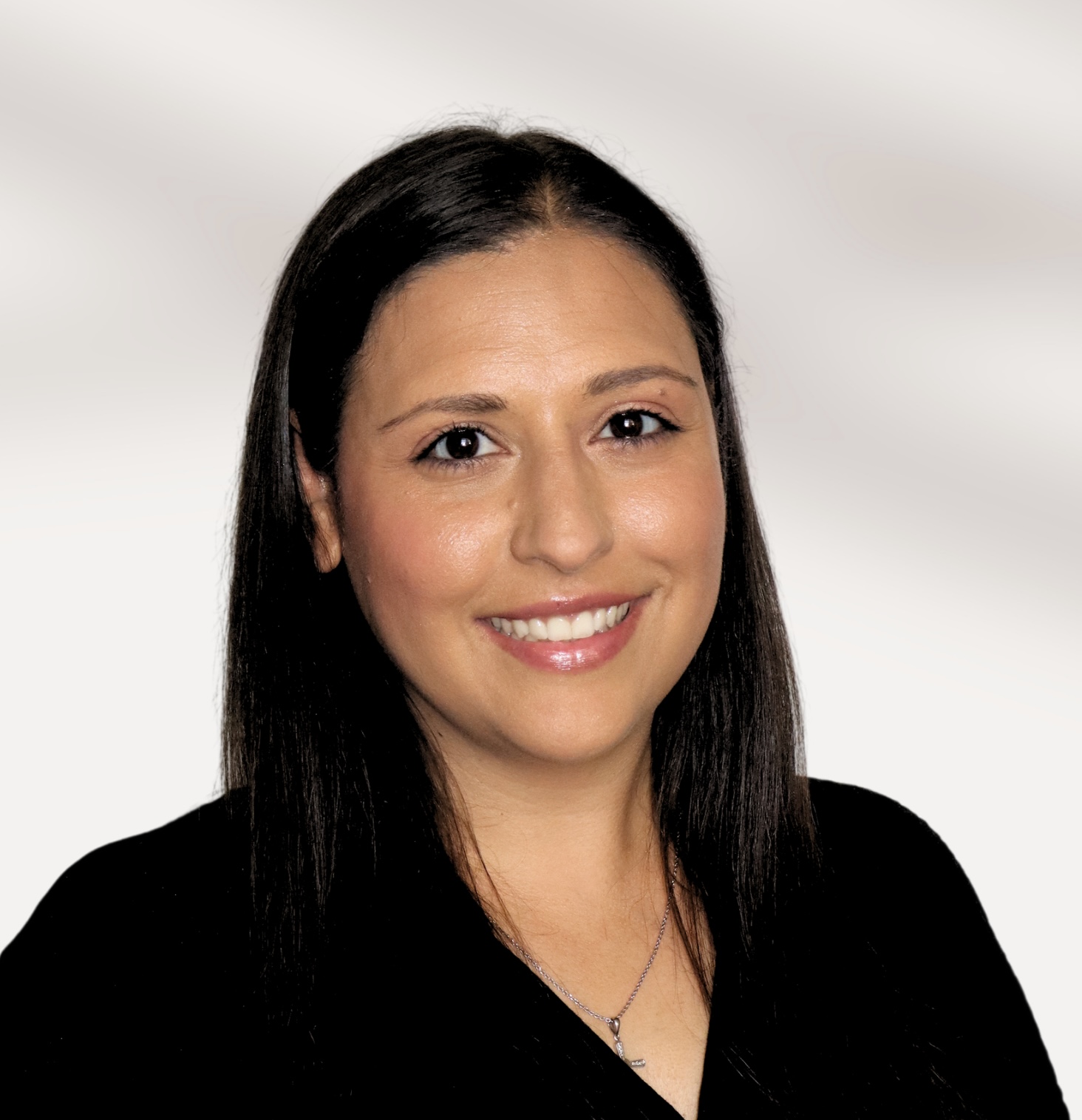
In celebration of National Health Education Week (October 19–23), Stony Brook University’s Program in Public Health is highlighting alums who are making a difference through health education, disease prevention, and community outreach.
Meet Alyssa Zohrabian, MPH, Director of Communications at the Nassau County Department of Health. A Stony Brook University alumna, Zohrabian has spent more than a decade working in public health, using education and communication to help protect and improve the health of Long Island communities.
In this Q&A, Zohrabian reflects on her path to public health, how her Stony Brook education shaped her career, and why accessible, trustworthy health communication is essential to building healthier communities.
Q&A With Alyssa Zohrabian, MPH
What inspired you to pursue a career in public health, and what do you find most rewarding about your current role?
My path to public health wasn’t exactly planned. I was pursuing a career as a school teacher when I began my MPH at Stony Brook University. There, I learned how much public health values education, and that health education itself is a form of preventive health care. That completely flipped a switch for me. I realized I could use my passion for teaching to help prevent illness and improve people’s lives.
I had always hoped to find a career where I could serve others and make a difference in our communities. That path led me to the Nassau County Department of Health, and over the past decade, I’ve been grateful to do work that aligns with those values. The most rewarding part is knowing that our work can have a real, positive impact on the lives of the people we serve.
How did your education at Stony Brook University prepare you for your career and the work you’re doing today?
SBU gave me a strong foundation in public health, but more importantly, it changed the way I think about education, prevention, and the communities we serve.
During one lecture, we heard from local health commissioners about their work. I remember being struck by the sheer scope of what local health departments do, the programs and services they provide, the challenges they navigate, and everything happening behind the scenes to protect community health. I hadn’t realized how much went into keeping our communities healthy and safe. I knew then I wanted to be part of this work.
I started my career at the Nassau County Department of Health as a health inspector, where I put my education and MPH to work. For example, food safety regulations are rooted in complex science that doesn’t always translate easily to the average person. I found that helping food operators understand why practices like proper food temperatures and preventing cross-contamination matter was often more effective than relying on enforcement alone. It reinforced my belief in education's power to create meaningful change.
Learning about the social determinants of health was equally impactful. Understanding how someone’s environment, circumstances, barriers, and access to resources can influence their health gave me a broader perspective on education. I carry that with me today as I develop campaigns, communicate health information, and engage with our communities.
In recognition of National Health Education Week, why do you believe health education is essential to building healthier communities, and how does your work contribute to that mission?
I’ve always believed that knowledge is empowering. When people understand the factors that affect their health, they’re better equipped to make informed decisions for themselves and their families.
But education isn’t just about putting information out there and hoping it reaches someone. It’s about making that information accessible, relatable, credible, and useful.
Through public health communications, we can connect with residents, answer questions, address concerns, clear up confusion, and connect people with resources. To me, that’s what health education is really about: giving people the knowledge and tools to make informed decisions about their health and well-being.
How do you approach communicating complex public health information in a way that builds trust and resonates with diverse communities?
Communication is never just a one-way street, or at least it shouldn’t be. We have to listen just as much as we communicate.
I believe in meeting people where they are, understanding their concerns, and making information relatable without compromising its accuracy. We can share all the science and data in the world, but if people don’t understand it, connect with it, or trust the source, our message can easily get lost.
Trust is built over time through relationships, consistency, transparency, and how we show up for our communities, not just during a public health concern, but every day.
There’s a delicate dance between being informative and approachable while maintaining the credibility and professionalism public health demands. I’m always mindful of this, because the relationships we build are just as important as the messages we share.
Make a Difference Through Public Health
Are you ready to make a difference in the health of individuals and communities? Explore the Stony Brook University Program in Public Health to discover academic programs that can help you turn your passion for improving health into meaningful action.
Explore our programs and take the next step toward a career in public health.
