

For National Public Health Week, we’re spotlighting students who are turning their lived experiences into meaningful action. Tenzin Tsomo, a first-year MPH student at Stony Brook University, is driven by a passion for health equity shaped by her upbringing in a Tibetan refugee community. Her story is a powerful reminder that public health is not just about systems—it’s about people, access, and creating change where it’s needed most. We sat down with Tenzin to talk about her journey, what motivates her, and how her perspective has grown since starting her MPH.
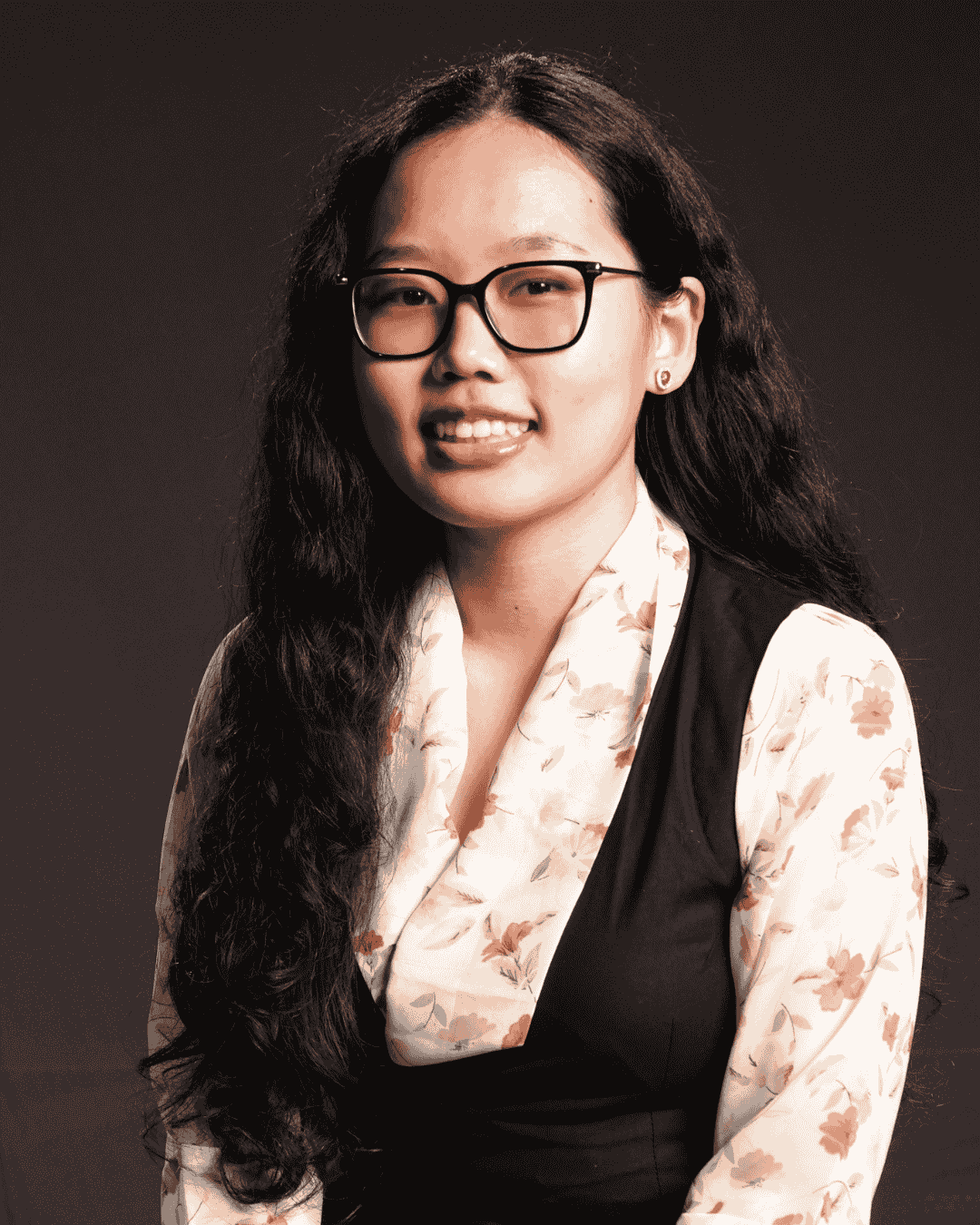
Name: Tenzin Tsomo
Program: Master of Public Health
Q: Why did you decide to study public health?
Tenzin Tsomo: I decided to study public health because I am deeply committed to advancing health equity and improving access to care for underserved communities, particularly those with experiences similar to my own. Coming from a Tibetan refugee background, I have seen firsthand the structural barriers that prevent individuals from receiving adequate healthcare, as well as the impact of community-based public health programs in alleviating disease burden, which has shaped my passion for addressing disparities in prevention, health education, and healthcare delivery. Currently, I am a first-year MPH student at Stony Brook University’s Program in Public Health, and I am able to pursue my passion thanks to the generosity of the Grollman Gombo Scholarship. I aim to utilize my skills and knowledge to contribute to the development of more inclusive and accessible health systems, particularly by enhancing community-based initiatives and expanding outreach to vulnerable populations.
Q: What public health issue motivates you the most and why?
Tenzin Tsomo: The public health issue that motivates me the most is the lack of equitable access to healthcare for underserved and marginalized communities, particularly refugees and immigrants. Systemic barriers such as language differences, limited health literacy, financial constraints, and lack of insurance can prevent people from receiving timely and appropriate care. These challenges often lead to preventable health issues and worsen existing disparities. This has driven my passion for public health, as I want to work toward creating more inclusive, accessible, and culturally responsive healthcare systems that prioritize prevention, education, and community-based support.
Q: Has your “why public health” perspective changed since starting the program? If so, how?
Tenzin Tsomo: When I first entered this program, my "why" was rooted in a fairly straightforward conviction that I wanted to contribute as a public health professional to improve healthcare access for underserved communities like my own. I had curiosity and drive, but in retrospect, I realized I also had a narrow lens.
Over the past two semesters, my lens has widened considerably. Through my public health coursework and internship experiences, I've come to understand public health as something far more layered. I realized lasting change doesn't happen through individual effort alone, but through policy, data, and interprofessional collaboration that addresses the root causes of inequity, not just its symptoms.
Doing coursework research and having discussions in classes has shifted my thinking. I came in wanting to actively work on the ground and work directly with communities, which I still want to do. But I've come to realize that structural change is just as essential as on the ground work. I believe that without the systemic piece, community-level efforts can only go so far.
That realization has both deepened my commitment to improve public health and has sharpened my focus. As I move forward, I hope to contribute at both levels, supporting community-based initiatives while also engaging in the broader policy and equity work that makes those initiatives sustainable.
Q: What kind of impact do you hope to make in public health in the future?
Tenzin Tsomo: After pursuing an MPH, I intend to use my knowledge and skills in strengthening the public health system and infrastructure of Tibetan refugee settlements, where I grew up. Moreover, on the global health front, I hope to extend my work to other refugee communities who are disproportionately impacted by pandemics, political/economic unrest, and ongoing climate change. I want to apply my knowledge and skills to design and implement health awareness and accessible screening programs that can improve prevention and detection of disease and improve community health overall.
Tenzin’s story shows how personal experiences can spark a deeper purpose in public health. What started as a desire to give back to her community has grown into a broader understanding of how real change happens—through both grassroots efforts and systemic solutions. As she continues her journey, Tenzin is focused on making healthcare more accessible and equitable for refugee and underserved communities around the world. Her perspective is a meaningful reminder of why public health matters—and who it’s meant to serve.
