

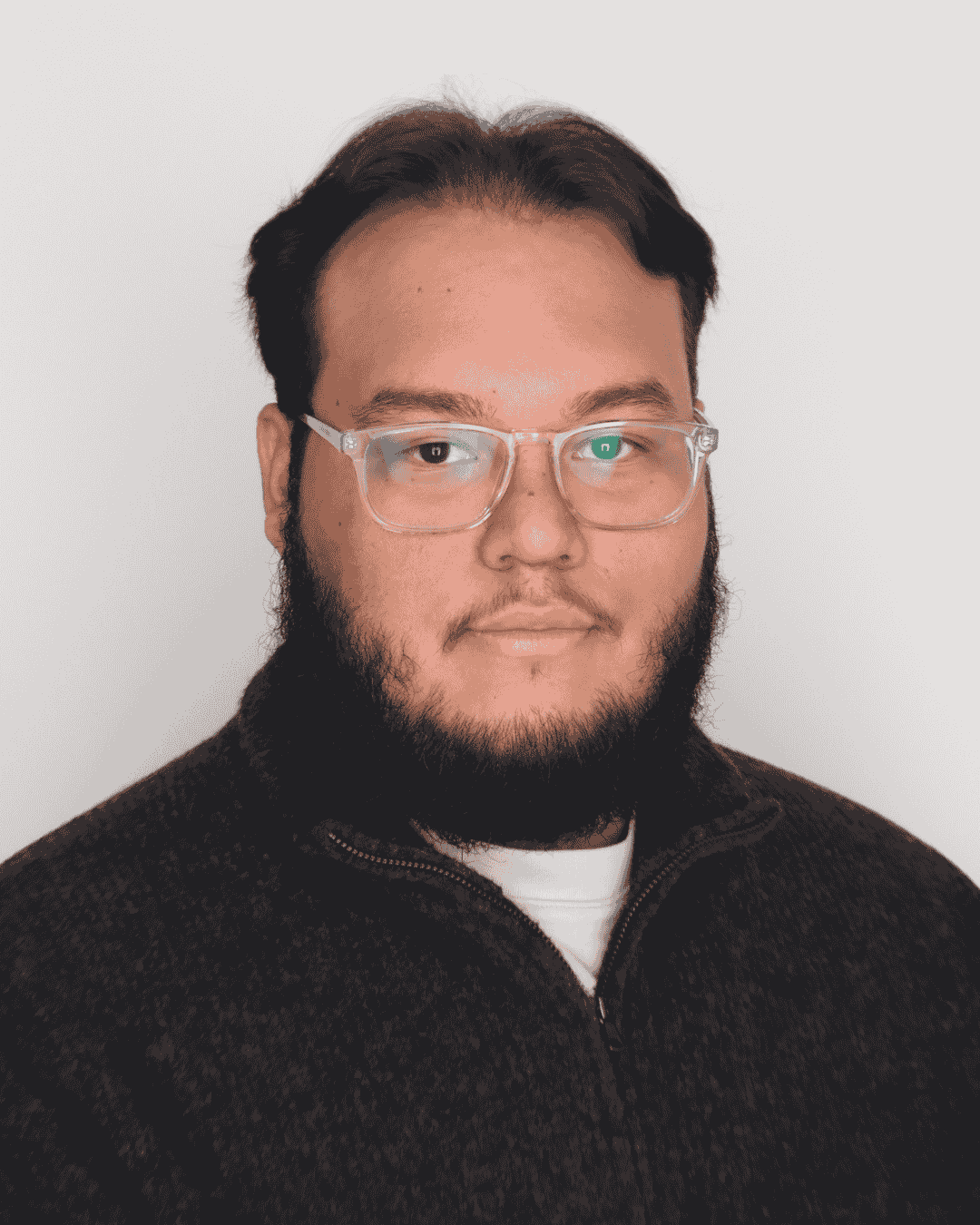
Meet Ricardo Lizano, a current student in Stony Brook University’s Program in Public Health, whose journey is rooted in lived experience and driven by a deep commitment to equity. From the Bronx to the classroom, Ricardo brings a perspective that reminds us public health isn’t just about data and policy—it’s about people, access, and the systems that shape everyday life.
Q: Why did you decide to study public health?
Ricardo Lizano: Being born and raised in the Bronx and coming from an Ecuadorian and Honduran immigrant household, I saw firsthand how social and economic factors shaped my family's health and the lives of those around me. During my undergraduate studies, I began to understand that many health issues go beyond clinical care and are deeply connected to access, prevention, and systemic barriers. Public health felt like a way to address those root causes and create meaningful change in communities like my own.
Q: What public health issue motivates you the most and why?
Ricardo Lizano: Health equity and access to care motivate me the most. I've seen how underserved communities often face barriers like limited resources, lack of insurance, and fewer opportunities for preventive care. These disparities lead to worse health outcomes that could often be avoided. That's what drives me to focus on improving access and creating systems that better serve vulnerable populations.
Q: Has your “why public health” perspective changed since starting the program? If so, how?
Ricardo Lizano: I don't think my core reason has changed, but my perspective has definitely expanded since starting the program. I've gained a much deeper understanding of how policy, economics, and organizational decisions shape health outcomes. The program has also pushed me to think more critically about these issues.
Q: What kind of impact do you hope to make in public health in the future?
Ricardo Lizano: In the future, I hope to work in healthcare leadership where I can help design and improve systems that increase access to care and reduce disparities. I want to contribute to policies and organizational strategies that make healthcare more equitable, efficient, and community-centered, especially for underserved populations.
Ricardo’s story is a powerful reflection of what public health can be at its best: informed by experience, grounded in community, and focused on lasting change. As he continues his path toward healthcare leadership, his vision points toward a future where systems work better for everyone—not just a few. During National Public Health Week, and beyond, voices like Ricardo’s are a reminder that meaningful change starts with those who are determined to reimagine what health equity can look like in practice.
