

In celebration of National Public Health Week and its theme of "Ready. Set. Action!", we sat down with current Stony Brook University Program in Public Health student, Marissa. Marissa’s path to public health wasn't a straight line, but her experiences on the front lines of emergency medicine and firsthand encounters with climate crises led her to a deep passion for disaster epidemiology and health equity. Read on to learn about her journey, her research, and how SBU faculty helped her take bold steps toward a global stage.
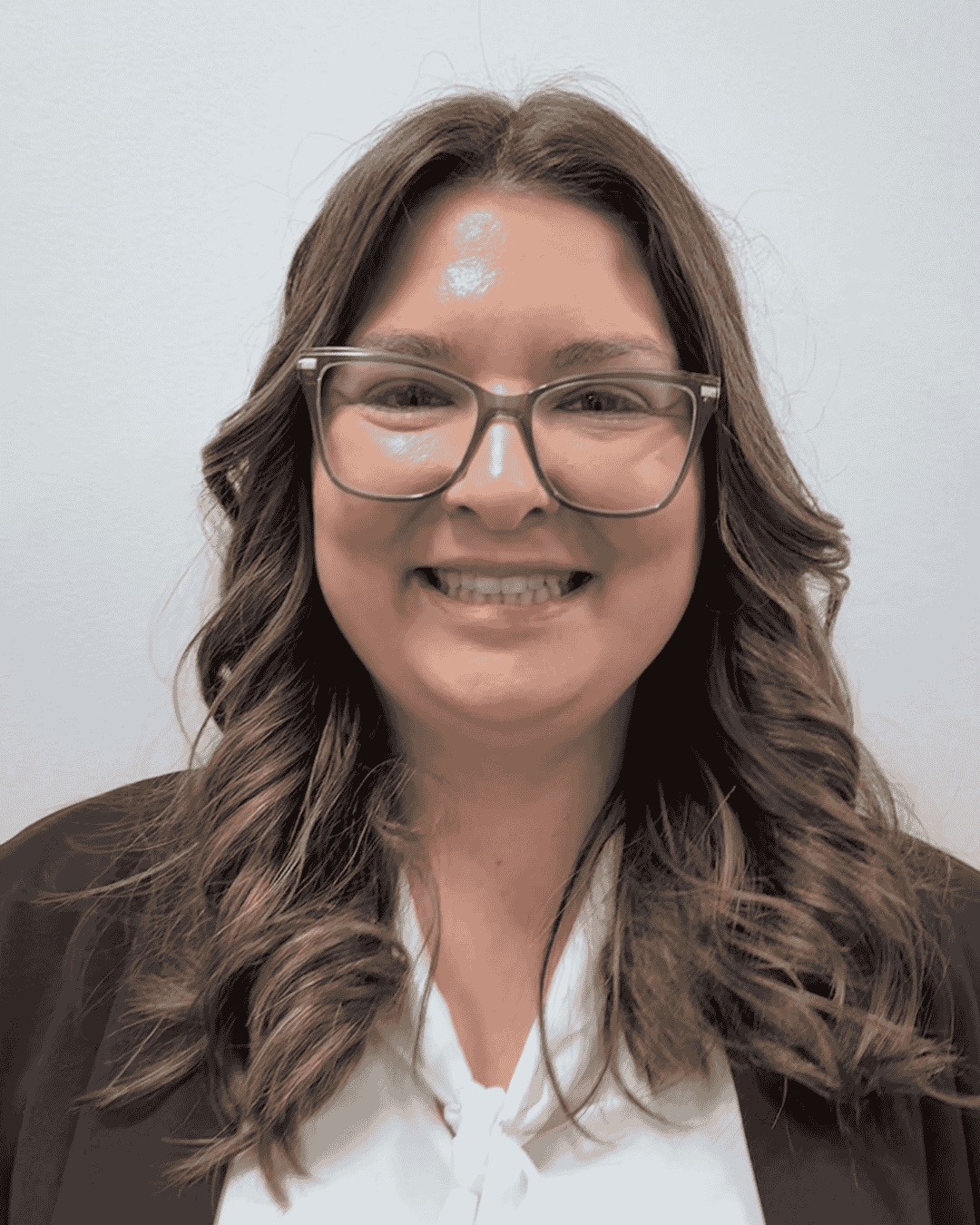
Name: Marissa Sogluizzo
Anticipated Graduation Date: Spring 2027
Program: Master of Public Health
Q: Why did you decide to study public health?
Marissa: My journey to public health has not been a linear one. After experiencing Hurricane Sandy and falling in love with emergency medicine, I completed my undergraduate degree here at Stony Brook University to become a Physician Assistant in Emergency Medicine. During this time, I volunteered as an EMT and gained patient experience hours as a medical scribe, helping treat patients in and outside of the hospital.
While working with patients, I noticed distinct patterns in who I was treating and why we were treating them. More often than not, patients were not experiencing a true emergency. They simply had no other choice than to call an ambulance or seek care in an emergency department due to structural inequities, like a lack of health insurance or education.
At this realization, I pivoted to public health and research to better understand patterns in health outcomes rather than just treating them. This perspective led me to focus on the intersections of disaster preparedness, climate change, and health. I saw the profound impact of preventive public health strategies in mitigating harm before crises occur. I chose to study public health out of a curiosity, passion, and determination to improve the health of our communities through preventive medicine and community health.
Q: What public health issue motivates you the most and why?
Marissa: The public health issue that motivates me most is health inequity in the context of disaster epidemiology. Specifically, I look at how climate change-exacerbated disasters impact the lives, livelihood, and health of communities differentially based on underlying vulnerabilities.
My dedication to public health, emergency preparedness, and disaster science has been fueled by a multitude of personal encounters with disasters:
- Entering pre-school during 9/11
- Witnessing Hurricane Sandy reshape my hometown
- Studying abroad during the false ballistic missile alert in Hawai’i
- Completing my undergraduate and MPH training during the COVID-19 pandemic
Witnessing my hometown become unrecognizable during Hurricane Sandy strongly fueled my desire to help communities better understand emergency management, community resilience and recovery, and population health impacts from a public health perspective. While we can’t prevent natural hazards like hurricanes, earthquakes, or tornados from occurring, we can prevent them from resulting in catastrophe by improving public health emergency preparedness strategies and improving the health of our communities.
Q: Has your “why public health” perspective changed since starting the program?
Marissa: My perspective has grown much stronger since the start of the program because of the amazing environment in the Program in Public Health at Stony Brook University. Since my very first day, the faculty have shown active interest in my research area—niche and interdisciplinary as it is. They ask meaningful questions, engage in discussion about my dissertation ideas, and challenge me to seek new knowledge, critique what’s been done before, and propose my own ideas to improve disaster research methods and measurements.
If it wasn’t for the faculty in this program, I would not have taken on massive challenges like applying for an NIH predoctoral training grant or participating in IIASA’s Young Scientists Summer Program in Austria this summer.
Despite living in "unprecedented times" with swinging pendulums in policy, the faculty I have learned from and worked with have never faltered. Their resilience, passion, and commitment have strengthened my own passion for the discipline and motivated me to continue in this field despite whatever uncertainties lie ahead.
Q: What kind of impact do you hope to make in public health in the future?
Marissa: My long-term research interests include reducing the risk for disaster-related population health impacts among communities exposed to hurricanes and other natural disasters. I aim to do this by translating evidence-based research into public health disaster planning interventions, including preventive, complementary, and integrative health approaches.
My dissertation project involves creating a new measurement of population resilience from a population health perspective, with the goal of an index that can predict disaster-related population health impacts. If we can determine where people are the most health vulnerable, we can curate new policies to improve disaster preparedness and mitigate the negative health consequences of disasters.
Alongside my research, I hope to impact the lives of my students and motivate them to continue their careers in public health. As a Teaching Assistant in the Program in Public Health, I have had the opportunity to build lasting relationships with students in the MPH program, helping pair them with internship opportunities or writing letters of recommendation. I also co-founded the Public Health Student Research Group to inspire students to consider a research career. I hope to continue having this impact in public health through future academic positions!
Marissa’s journey reminds us that public health is not a passive field—it requires active, dedicated participation to protect our most vulnerable populations before disaster strikes. By combining her background in emergency medicine with advanced disaster epidemiology research, she is actively working to ensure that natural hazards do not have to result in human catastrophes.
